
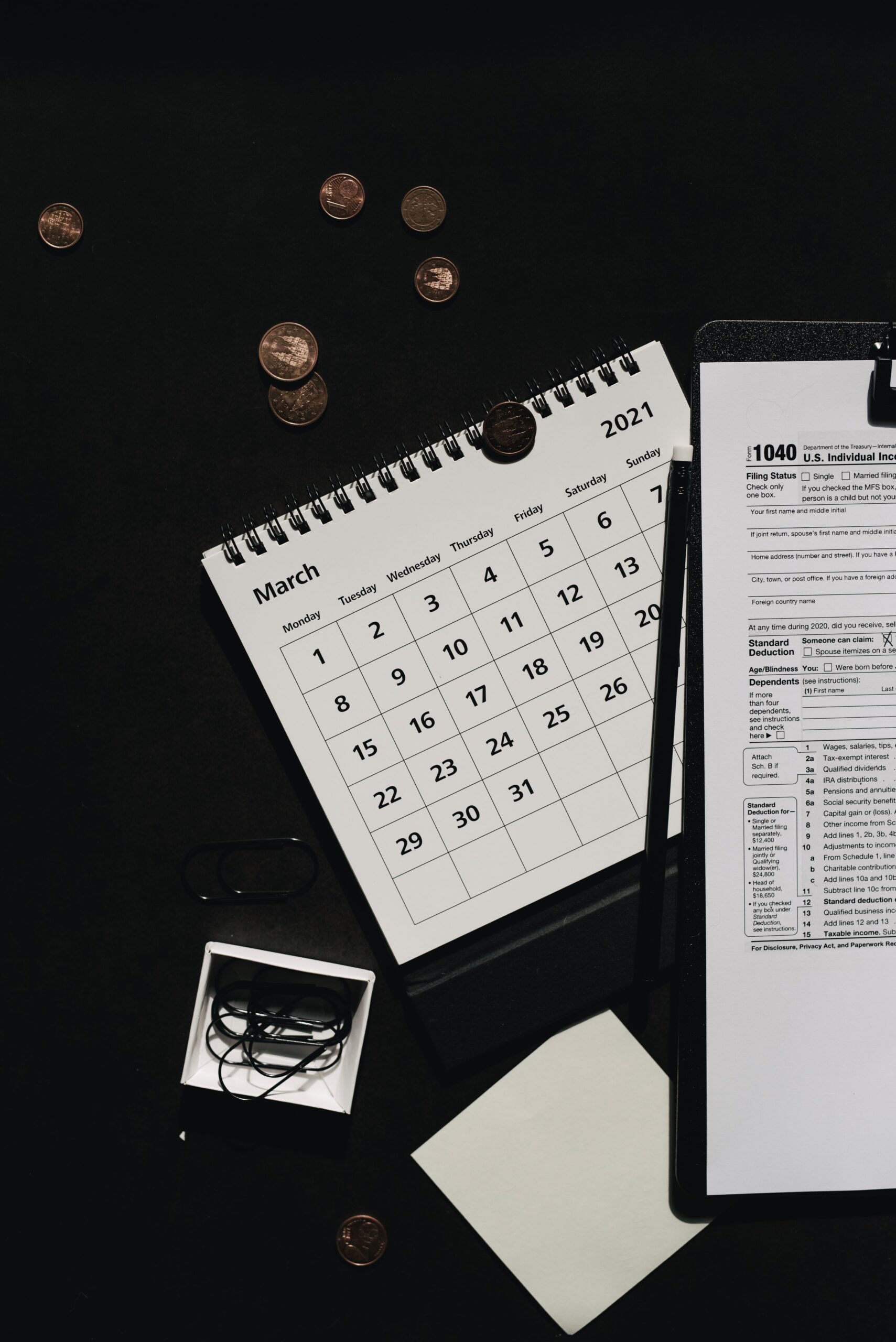
The return you file in early 2027 is being built right now, by the records you keep and the moves you make before December 31. The April scramble comes from treating filing as a season instead of a year.
The deadlines still on the calendar
A few dates matter before the year closes.
| Date | What is due |
|---|---|
| Sep 15, 2026 | Q3 2026 estimated tax payment |
| Oct 15, 2026 | Extended 2025 return (the tax itself was due Apr 15) |
| Jan 15, 2027 | Q4 2026 estimated tax payment |
An extension pushes the paperwork, not the payment. Interest runs on tax owed from April 15.
What you change before December 31
After the year closes, most of your options close with it. Before then you can make a retirement contribution that lowers taxable income, buy equipment you need and elect to expense it, clean up the books so nothing is missed, and set aside the tax you already owe. By January, planning is cleanup. The savings live in the last quarter.
Filing season runs January to April. The season that decides your bill runs October to December.
The self-employed reality
If you pay estimated taxes
Your bill is not a surprise you meet in April. It is four payments across the year. Missing them adds an underpayment penalty on top of the tax. If your income jumped in 2026, the safe-harbor amount from last year can leave you short.
Get ahead of it
The owners who file without stress in February are the ones who reconciled monthly, saved for the tax as they earned, and planned in the fall. If you want to walk into next filing season without the scramble, the time to set it up is now. Book a consultation.