
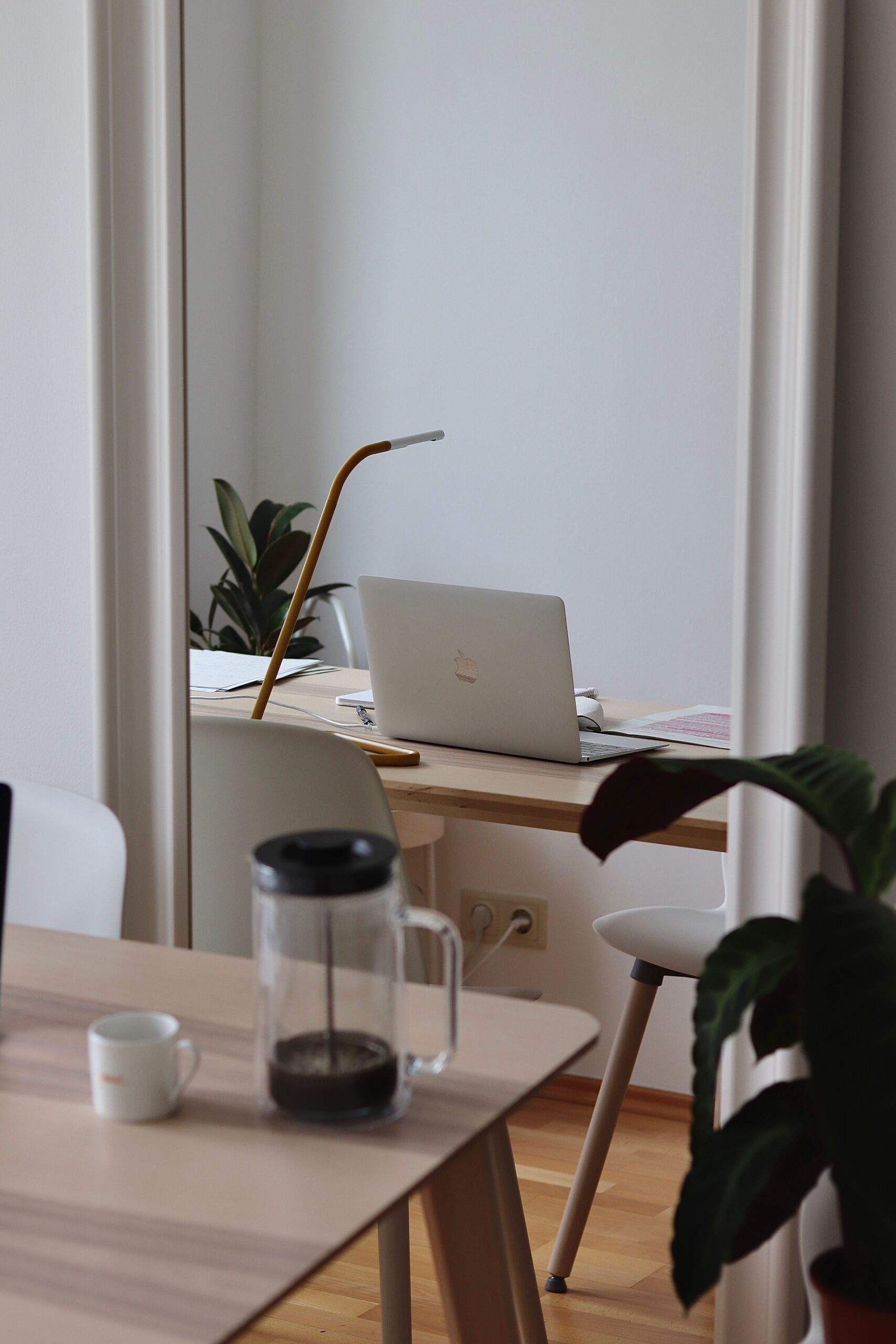
Two things surprise people who work from home and ask what they can write off: how much can qualify, and how strict the rules are about the space itself.
First, the deal-breaker: regular and exclusive use
The home office deduction starts with one rule. The space has to be used regularly and exclusively for business. Exclusively is the trap. A desk in the corner of a bedroom that doubles as a guest room does not qualify. A dedicated room, or a defined area used only for work, does. Miss this and the rest does not matter.
Who can claim it, and who cannot
W-2 employees do not qualify
If you work from home for an employer on a W-2, you cannot deduct a home office, even when the whole job is remote. This deduction is for the self-employed, freelancers, and business owners. It catches remote employees at tax time.
Two ways to calculate it
| Method | How it works | 2026 |
|---|---|---|
| Simplified | $5 per square foot, up to 300 sq ft | Max $1,500 |
| Regular | Business-use % of your actual home costs | No cap |
The simplified method caps at $1,500. The regular method has no cap, but it asks for receipts.
What counts under the regular method
You take the percentage of your home the office occupies and apply it to your home costs:
- Rent or mortgage interest (the business-use share)
- Utilities: electricity, water, internet
- Insurance and general repairs to the home
- Direct costs of the office itself, like painting that room, at 100 percent
You can switch year to year
You are not locked in. Run the simplified method one year and the regular method the next, whichever gives the larger deduction. If you work for yourself from home and want to know which method wins and how to document the space, that is exactly what I sort out with clients. Book a consultation.